
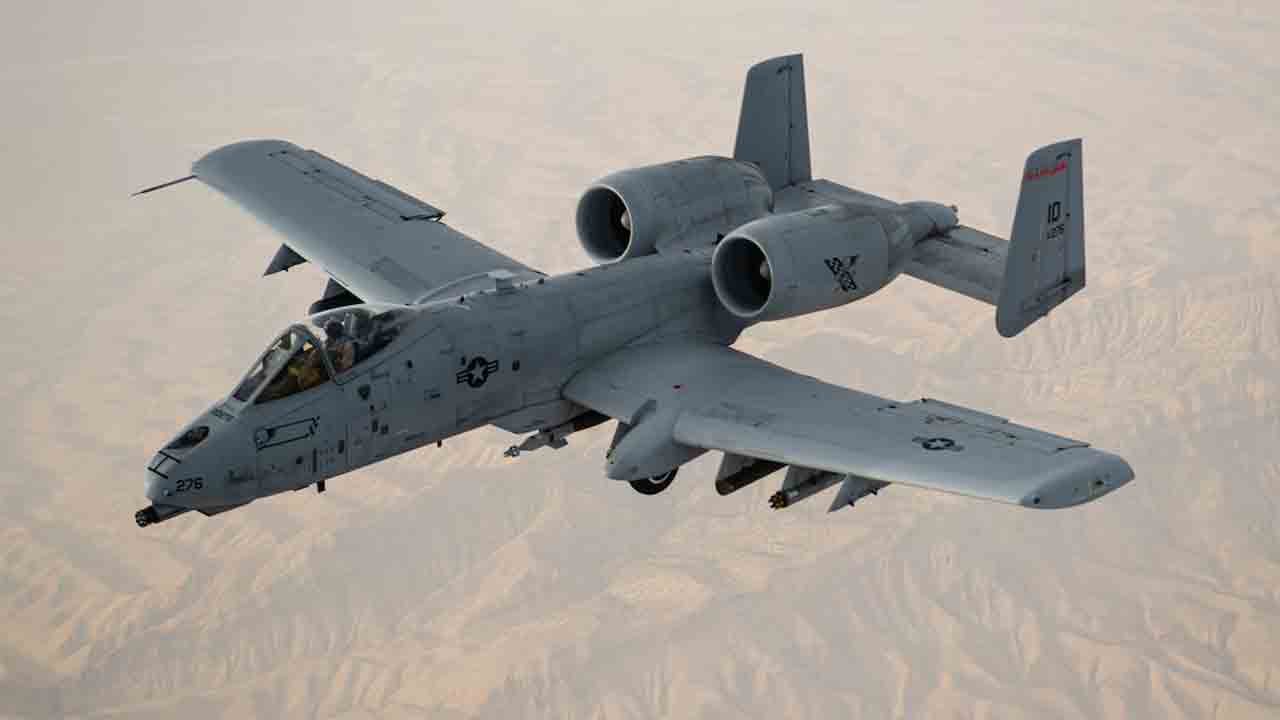
With titanium armor, a 30 mm GAU-8/A cannon, and the ability to operate close to the front line, the A-10C Thunderbolt II remains one of the most iconic aircraft in close air support.
The A-10C Thunderbolt II, known worldwide as the Warthog, remains one of the most emblematic aircraft in the United States Air Force.
Developed specifically for close air support missions, the jet was designed to operate directly in support of troops on the ground, attacking tanks, armored vehicles, and other ground targets with unusual precision and resilience on the battlefield.
+ France orders fifth FDI frigate from Naval Group
+ Singapore moves forward with purchase of GMLRS-AW rockets from the U.S. in $83.1 million deal
+ Nostradamus Predictions: Asteroid and ‘the end of the whole world’
One of the A-10C’s main distinguishing features is its ability to fly at low altitude and low speed without losing efficiency in weapons delivery. This characteristic allows the aircraft to remain over the combat area for long periods, closely following the development of operations and providing direct support to ground forces. The model can also operate from airstrips with limited infrastructure near the front line, which increases its flexibility in wartime scenarios.
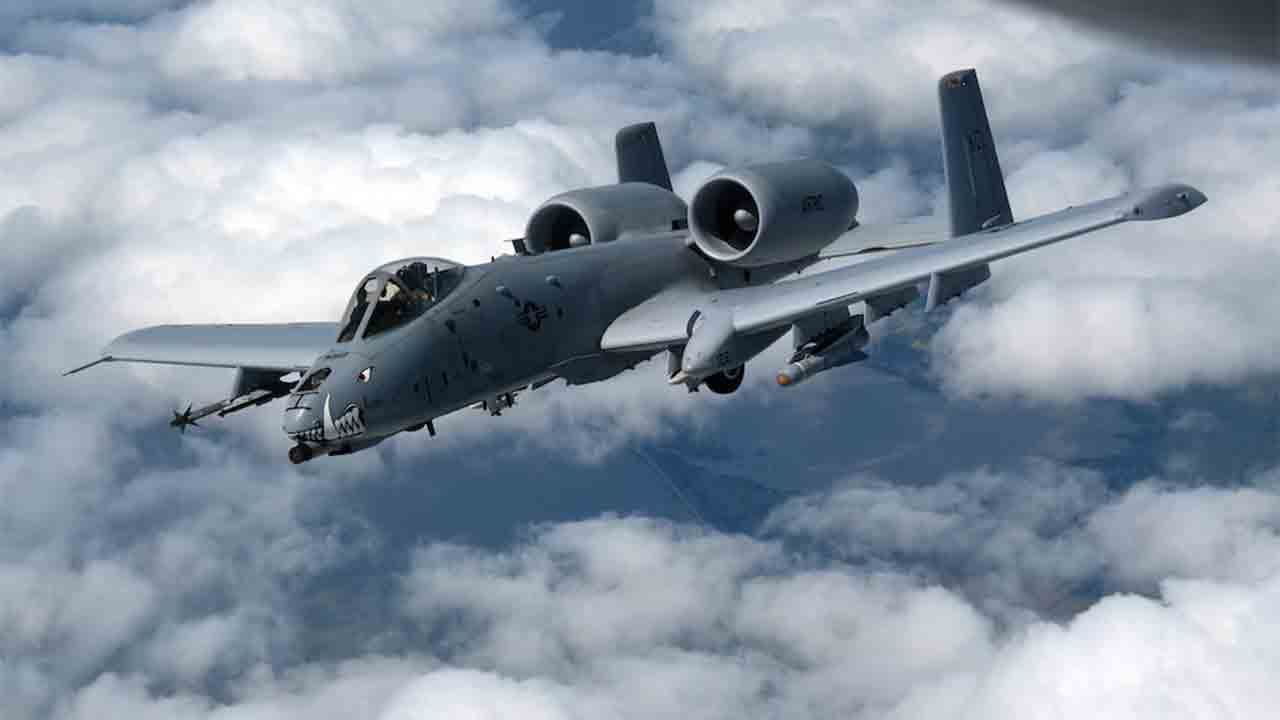
The A-10 Warthog’s ruggedness is another factor that explains its reputation. The single-seat cockpit is protected by titanium armor, which also helps shield essential parts of the flight control system. According to the U.S. Air Force, the aircraft can withstand direct hits from armor-piercing and high-explosive projectiles up to 23 mm, while also featuring redundant systems that increase its chances of survival in combat.
The aircraft was also designed to keep flying even in critical situations. Its fuel cells are self-sealing and have additional protection with internal and external foam, while the hydraulic systems are backed up by manual controls. This means that even after significant damage, the pilot may still be able to control the aircraft and land it.
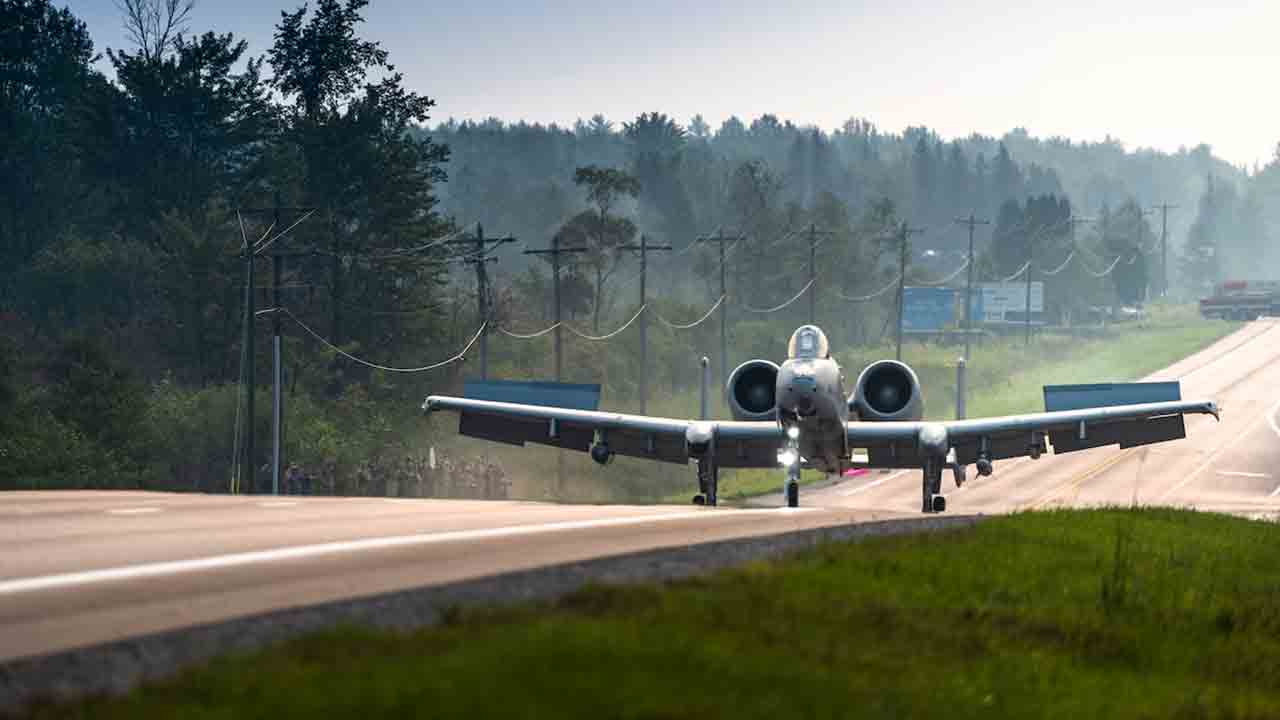
On the technology side, the A-10C brings together inertial navigation systems, GPS, fire control, target-area penetration aids, and night operations with night vision goggles. The cockpit is compatible with NVIS equipment and includes a helmet-mounted cueing system, in addition to a large transparent canopy that provides excellent visibility for the pilot in all directions.
The armament is one of the Thunderbolt II’s greatest symbols. Its 30 mm GAU-8/A rotary cannon can fire up to 3,900 rounds per minute and was developed to destroy armored vehicles and a wide variety of ground targets. In addition to the cannon, the A-10C can carry up to 7,200 kilograms of weapons on 11 external hardpoints, including laser- and GPS-guided bombs, AGM-65 Maverick missiles, guided and unguided rockets, conventional bombs, and AIM-9 Sidewinder missiles.
The model’s operational history also reinforces its importance. The first production A-10A was delivered in October 1975 to Davis-Monthan Air Force Base in Arizona, and the aircraft entered service in March 1976. During the Gulf War, A-10s recorded a mission-capable rate of 95.7%, flew 8,100 sorties, and fired 90% of the AGM-65 Maverick missiles used in the campaign.
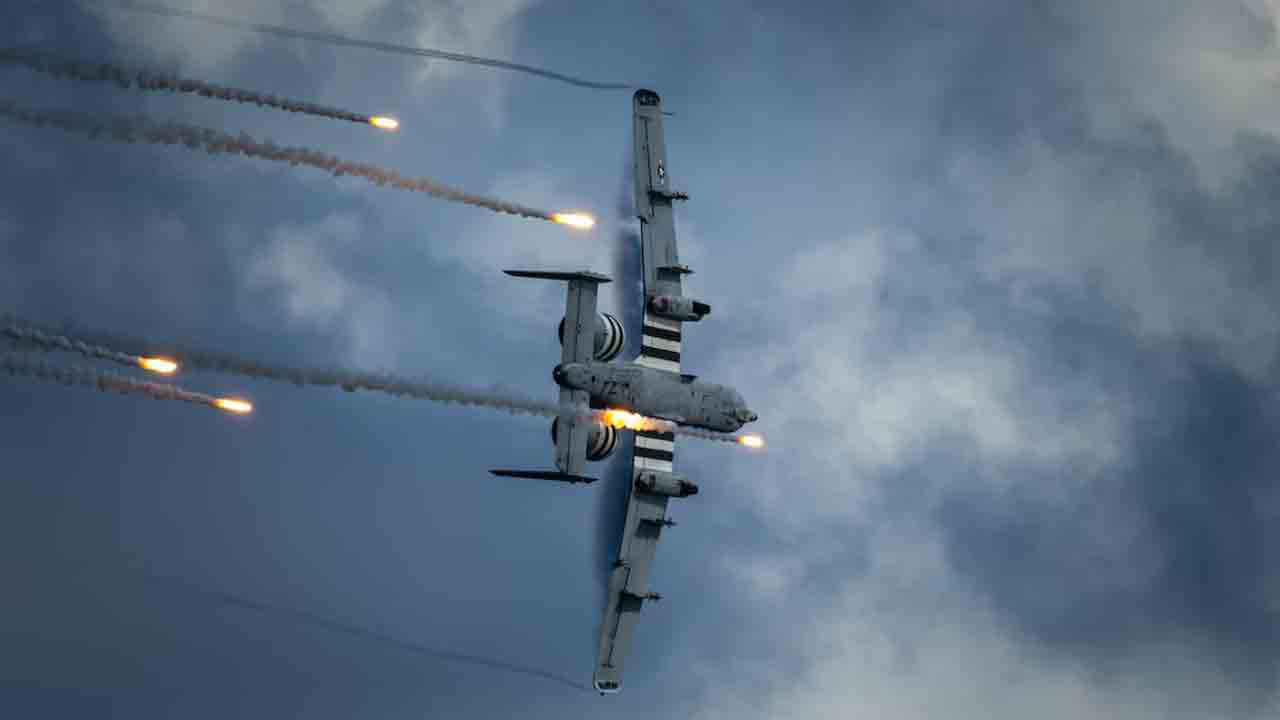
Manufactured by Fairchild Republic, the A-10’s main roles include close air support, forward air control, and combat search and rescue missions. The aircraft is 16.16 meters long, has a wingspan of 17.42 meters, a maximum speed of 420 miles per hour, a ceiling of 45,000 feet, and a maximum takeoff weight of 22,950 kilograms. Its range is approximately 800 miles.
Even after decades of service, the A-10C Thunderbolt II remains a unique platform within military aviation. Its complete focus on supporting troops on the ground, its above-average durability, and its firepower make the Warthog one of the most recognized and respected aircraft in the recent history of aerial warfare.
Source and images: United States Air Force
